Unlike some peptides that show immediate effects, epithalon typically requires consistent administration over specific time periods to demonstrate its full research potential
The complexities arise from Section 503A of the Federal Food, Drug, and Cosmetic Act, which relates to the necessary conditions for drug compounding.20 The rules concerning the compounding of therapeutic peptides state that they must come from accredited compounding pharmacies, and the compounded drug must either be compounded from an existing FDA-approved drug product or use drug products included on the 503A bulks list (i.e., the FDAs roster of compoundable substances.)21 But many therapeutic peptides dont satisfy either of the 503A conditions

Emerging research suggests topical copper peptide formulations may support the healing environment in certain slow-healing or chronically inflamed wounds by helping promote: Collagen synthesis Tissue granulation Improved skin repair signaling Reduced oxidative stress Better tissue remodeling Supportive wound-healing microenvironment Some regenerative practitioners are exploring topical GHK-Cu in carefully selected cases involving: Delayed skin healing Cosmetic procedure recovery Aging-related slow healing Fragile skin Superficial tissue recovery support However, it is extremely important to understand: GHK-Cu is not a replacement for proper wound care
This ensures that GHK-Cu therapy is used as part of a targeted and meaningful treatment plan rather than in isolation
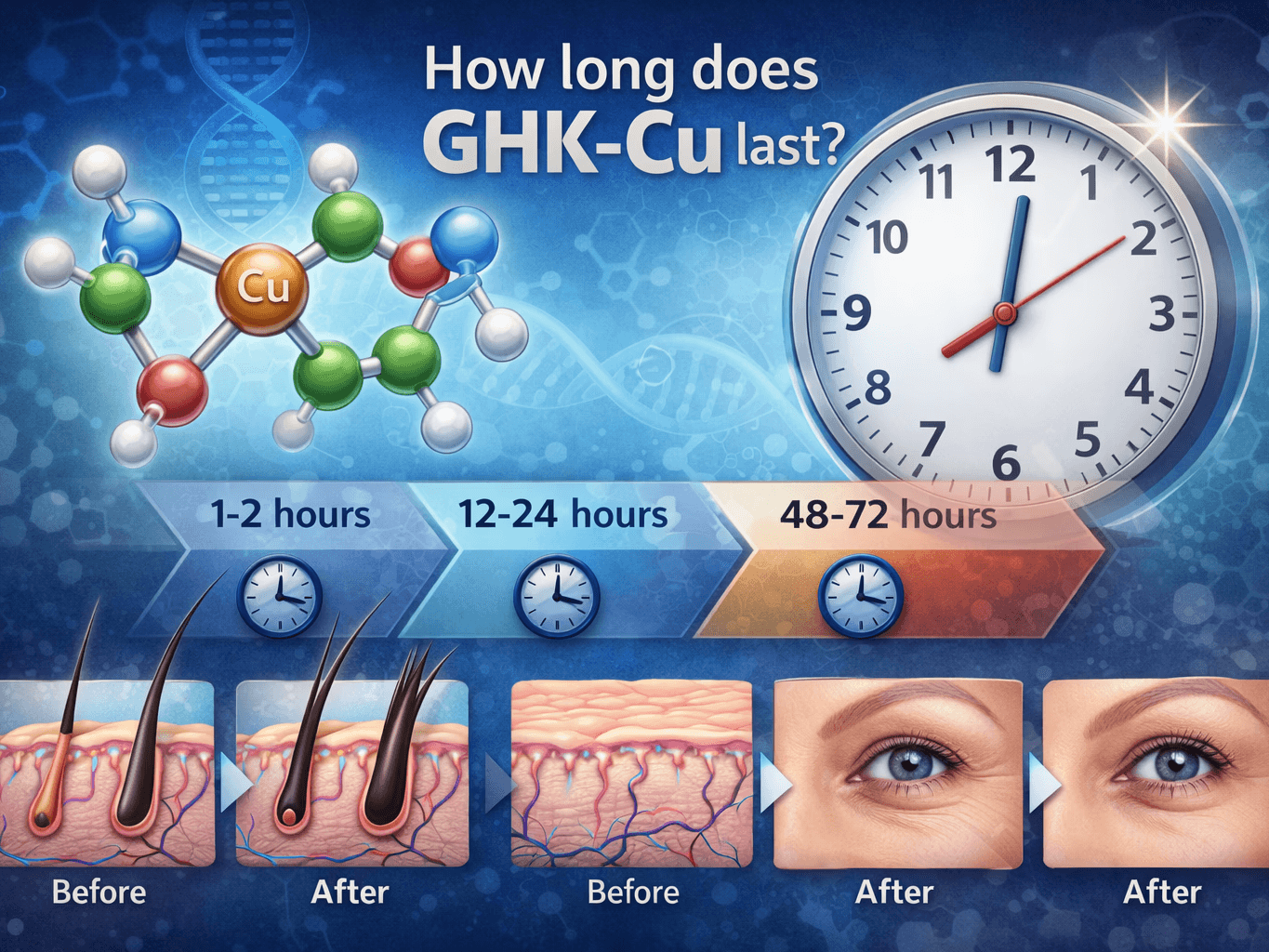
Early work focused on GHK-Cu as a wound-healing and anti-inflammatory peptide
This product is intended strictly for in vitro research, preclinical investigation, and analytical characterization by qualified researchers